

Places of Innovation: Kennard African American Cultural Heritage Center and Museum
Memories of our lives, of our works and our deeds will continue in others. – Rosa Parks
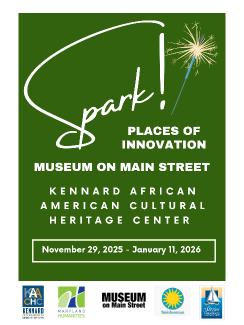
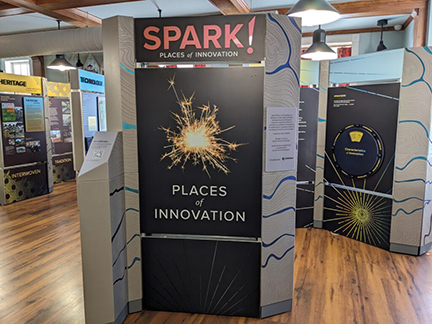
Now through January 11, the Kennard African American Cultural Heritage Center and Museum, located at 410 Little Kidwell Avenue in Centreville, hosts the traveling Smithsonian exhibition, SPARK! Places of Innovation. Part of the Maryland Humanities’ Museum on Main Street program, this national exhibition centers on rural America and the unique blend of people, places, and circumstances that spark innovation and invention in small towns. Encompassing art, technology, and social innovation, SPARK! features photographs, interactive displays, objects, and videos that tell the stories of trailblazers, challenges, and successes—and the future of innovation.
The story of human history is written in invention and innovations. People are problem-solvers. Sometimes we invent. More often, we innovate—we introduce a fresh idea or an invention into use in some way that creates a new way of doing or thinking.
-MUSEUM on Main Street
The Kennard Center’s companion exhibit, The Evolution of Maryland’s Black Watermen, showcases the lives, work, and culture of local black watermen and their unique contributions to this region—stories that date to colonial times and wind through the generations.
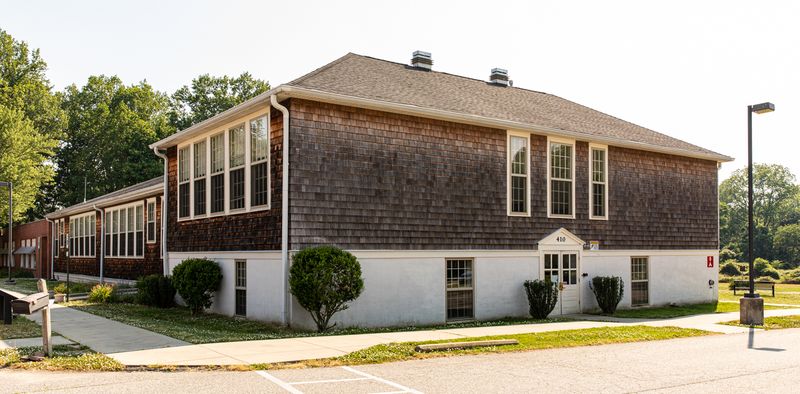
The Kennard African American Cultural Heritage Center and Museum is the perfect venue for these exhibits, as the Center, which was once Kennard High School, is itself rooted in vision, perseverance, and change. The school, built in 1936, was named for Lucretia Kennard, a trailblazer who reimagined education in Queen Anne’s County at a time when segregation and unequal standards were the norm. Kennard, a Philadelphia native, was the daughter of a cook and a Civil War veteran who worked later in life as a captain. In her early twenties, Lucretia Kennard studied at Virginia’s Hampton Normal School (later Hampton Institute and now Hampton University), and by 1892 had launched her teaching career, eventually returning to Pennsylvania.
By her mid-thirties, Kennard had lost both parents. Although there are different accounts of when she came to Maryland’s Eastern Shore, the 1900 and 1910 censuses place her in Philadelphia working as a teacher and living in boarding houses, something common for single teachers at that time. By 1920, when she was in her late 40s, the census lists her in both Denton and on Commerce Street in Centreville, serving as Supervisor of Colored Schools.
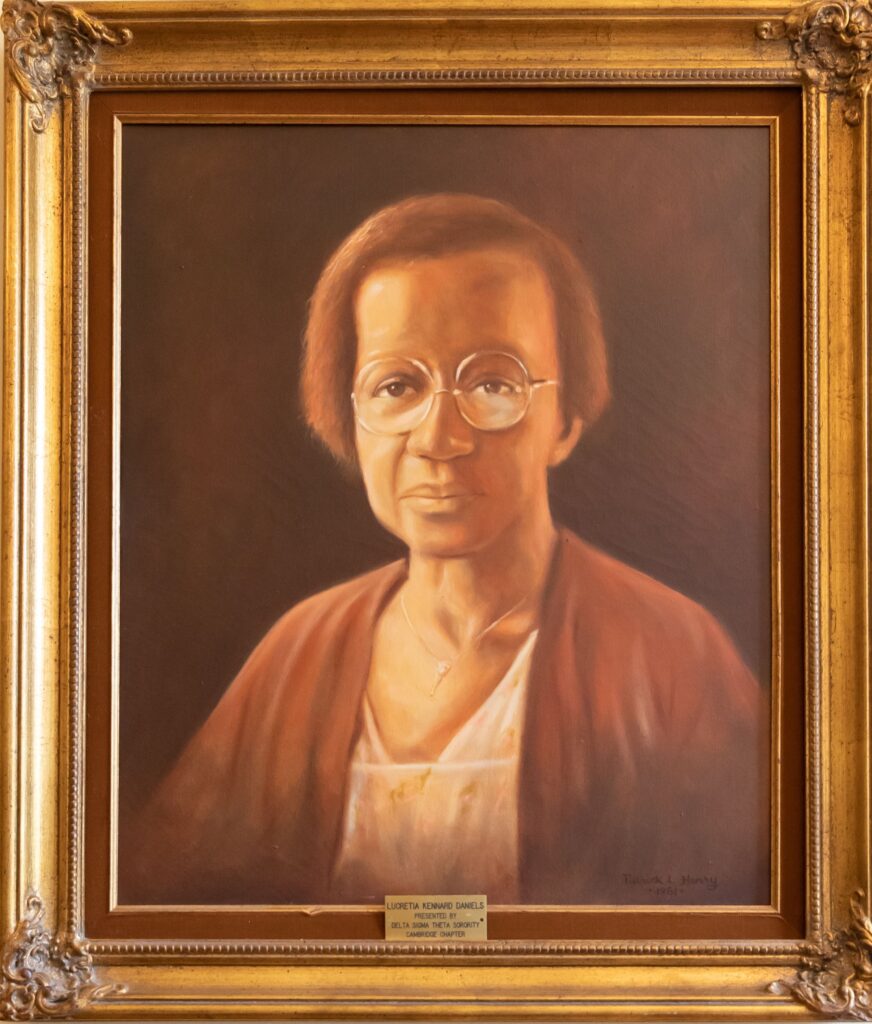
Lucretia Kennard clearly saw a problem and, with resolve, pursued a solution: The only secondary school for black students in the county—the Centreville Colored Industrial High School—focused only on trades and industrial jobs rather than academics, and the school’s standards fell well below the other public high schools in the area. It was then that Kennard embarked on her mission to raise money to purchase land and build a high school for local black students. Sadly, she died in 1933, three years before the construction of Kennard High School was completed. Lucretia was buried in Eden Cemetery in Lancaster County, Pennsylvania, near her mother.
While she did not see her vision come to fruition, Lucretia Kennard knew where it was heading. Her work was one of determination, hope, innovation, and courage—and her legacy lives on in Queen Anne’s County, where, interestingly enough, she and her captain father would certainly feel pride in the Black Watermen’s Exhibit as well as the United States Colored Troops memorial planned for the site. Lucretia Kennard created a spark ignited by many others who carried her vision forward.
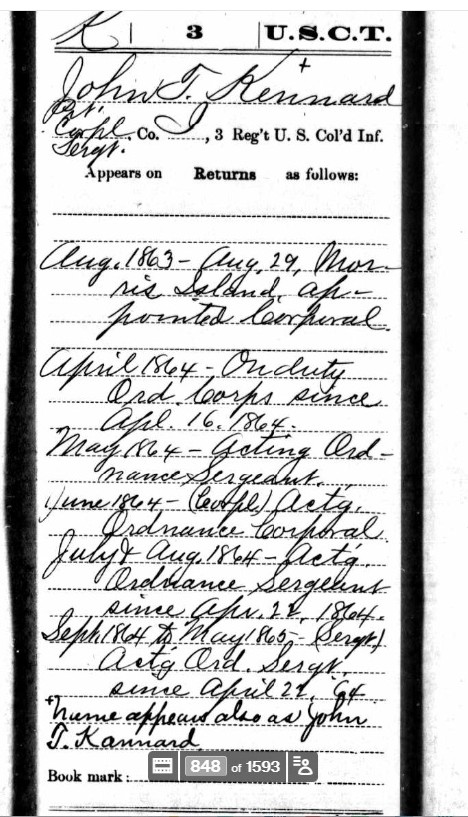
Lucretia Kennard’s father
When you visit, look at Lucretia Kennard’s portrait. Think of her spirit as you walk through the Spark! exhibition and explore all that the Kennard African American Cultural Heritage Center and Museum has to offer today.
The SPARK! exhibition, in collaboration with Maryland Humanities, will be on view Thursdays and Fridays 10:00 a.m. – 8:00 p.m. and Saturdays and Sundays 10:00 a.m. – 2:00 p.m. through January 11, 2026. The exhibition will be closed on holidays. Learn more: https://www.mdhumanities.org/programs/museum-on-main-street/ or www.kennardheritage.org.